
Key Takeaways
Why ECS health is not just about cannabis
Watch and listen: Nutrition and the Endocannabinoid System with Chip Paul
ECS 101: what it is and why fats matter for signaling
The three building blocks: receptors, messengers, and enzymes
Why dietary fats matter for ECS signaling
What the ECS influences day to day
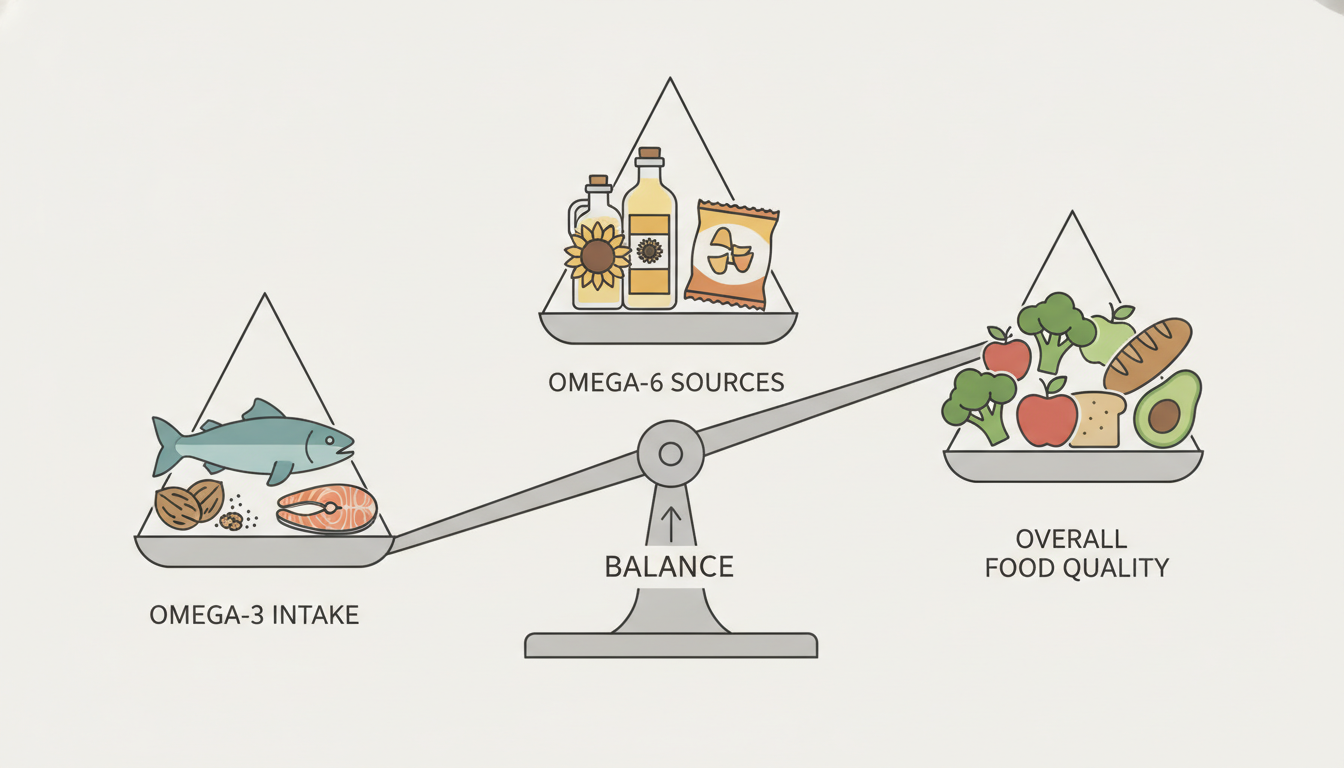
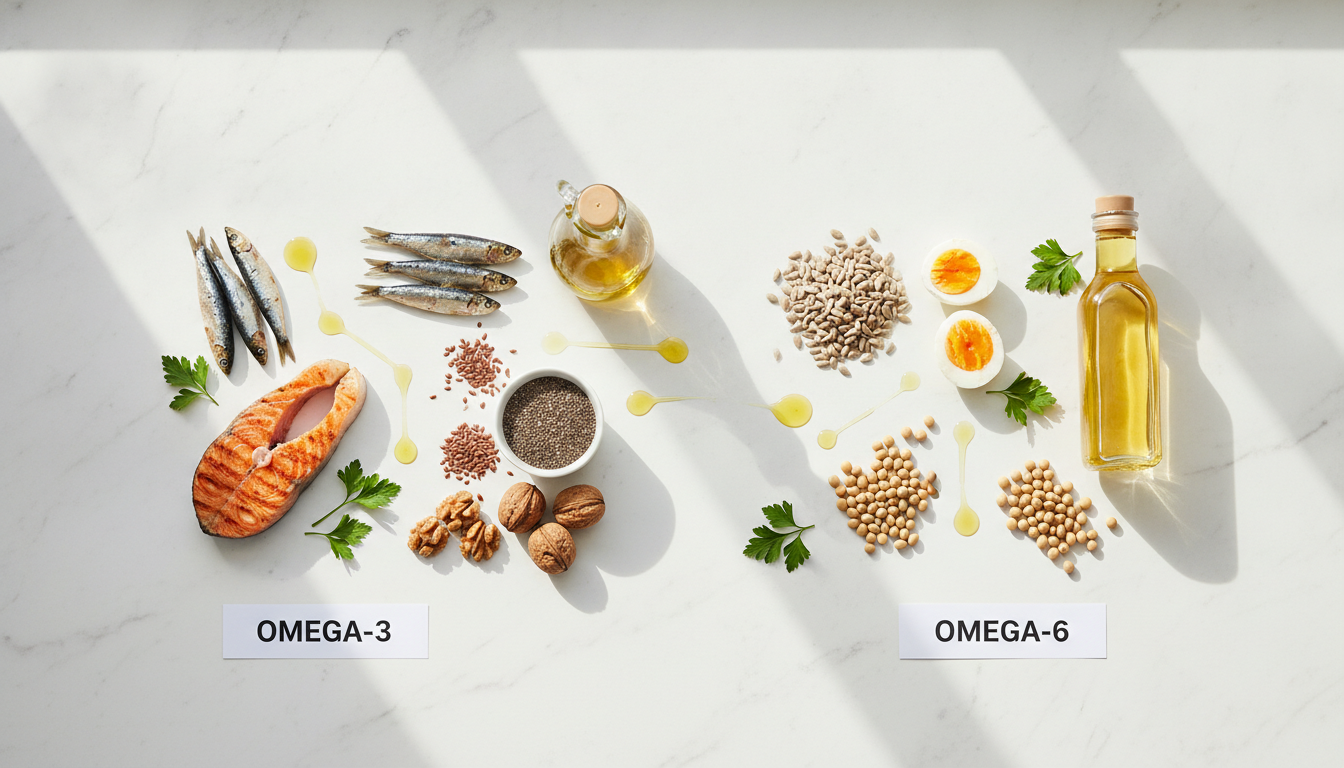
Omega-3 and omega-6: building endocannabinoids without chasing a perfect ratio
The bigger nutrition lens Chip teaches: fats, proteins, and micronutrients
Closing remarks
Deepen your ECS fundamentals beyond podcasts
FAQ
Is omega-6 bad for the endocannabinoid system?
Not inherently. Omega-6 fats are needed to build some endocannabinoid-related signals. The tradeoff is that very high omega-6 intake, especially with low omega-3 intake, can shift the mix of signaling molecules. Aim for balance by adding omega-3 sources, not by eliminating omega-6.
Do plant omega-3s convert well to EPA and DHA?
Conversion is limited for many people. ALA (from flax, chia, walnuts) must be converted into EPA and DHA, and only a small portion typically converts. If you only do one thing, add a direct EPA/DHA source if it fits your diet and goals.
Can improving omega-3 intake change endocannabinoid tone?
Possibly, over time. “Endocannabinoid tone” means your baseline level and responsiveness of ECS signaling. Raising omega-3 intake can change the fatty acids available to build signaling molecules, but results vary based on overall diet, sleep, stress, and health status. Give changes weeks, not days.
Is this content medical advice or a substitute for individualized care?
No. This is general education, not medical advice, diagnosis, or treatment. If you have a condition, take medications, are pregnant, or are planning major diet changes, talk with a qualified clinician who can review your history and risks.
1973 W. 33rd St. Suite 110, Edmond, OK 73013
Phone number: (918) 706-3947
Phone number: (918) 706-3947
Copyright © 2026
Created with